Lanark County Housing Corporation
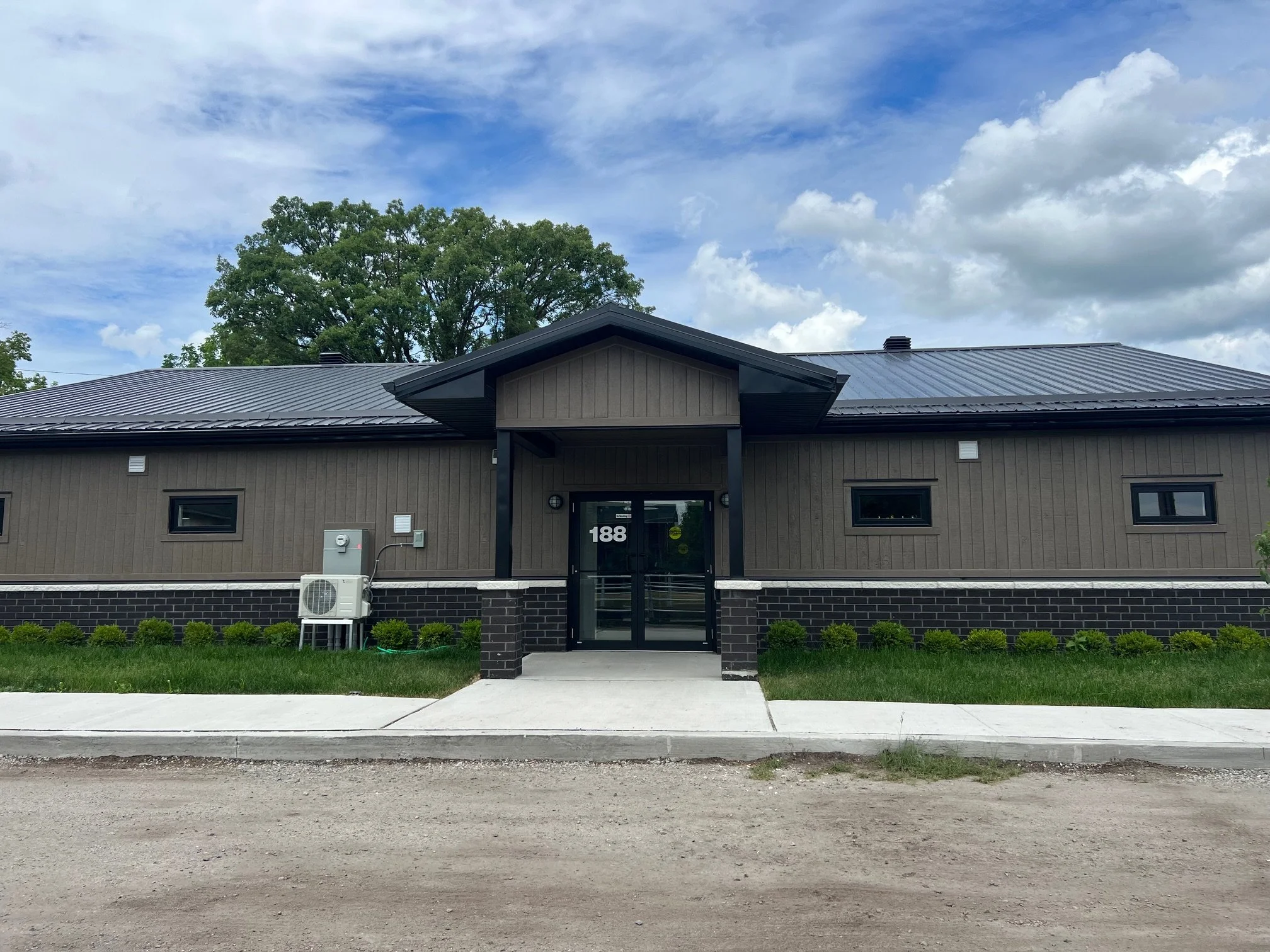
5 Units - Smiths Falls, ON
Lanark County Housing Corporation (LCHC) is a local housing corporation owned and operated by Lanark County. Lanark County is the Service Manager for the service area, responsible for managing and administering community housing, homelessness prevention programs, and related provincial/federal housing funding. LCHC operates and manages a portfolio of properties, administers programs, and reports to Council. LCHC received funding through the Ontario government's Social Services Relief Fund (SSRF) during COVID-19 and used some of it for this housing project.
2B Developments was retained by Lanark County Housing Corporation (LCHC) as the Project Manager and Construction Manager responsible for managing all planning and predevelopment tasks and activities, and the complete management of the construction. 2B completed the Zoning Bylaw Amendment (ZBA) application, the Site Plan Control (SPC) application, and the Building Permit, all in 6 months. 2B then proceeded with the construction management of the project, which was completed and received its Occupancy Permit in 6 months.
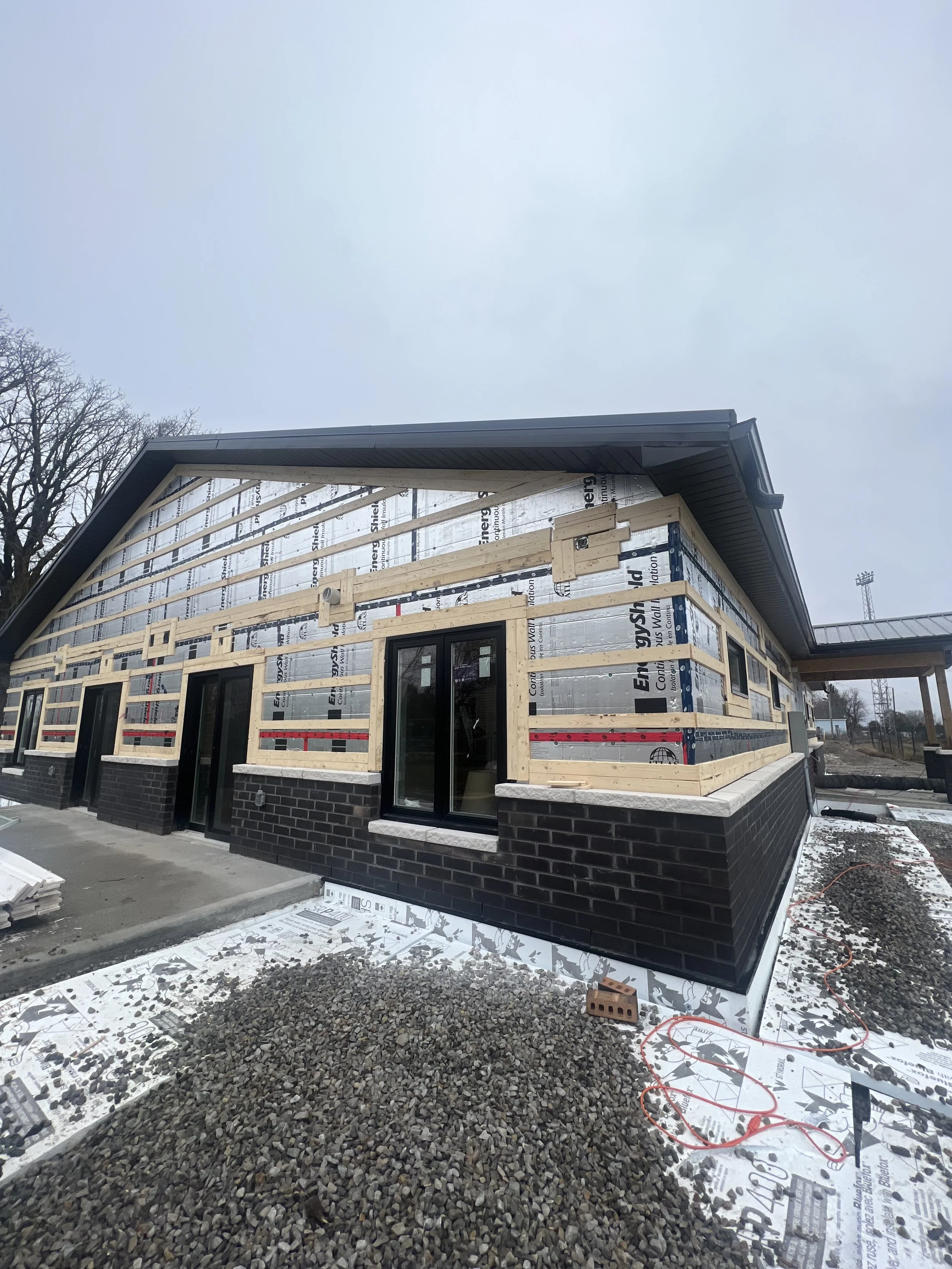
Throughout the project's construction, 2B incorporated Modern Methods of Construction (MMCs) to expedite delivery of the housing units. The housing was urgently needed, and the SSRF funding had strict timelines. Methods 2B incorporated included prefabricated wall panels and innovative roof construction, including modular sets prefabricated on site on the ground before installation.
Durability and energy efficiency were high priorities for LCHC, and 2B incorporated specific building materials and methods to achieve them. Examples include:
Steel roof
Durable 8mm flooring throughout
High-grade steel interior doors and lock-sets
1” exterior insulation
R24 insulation on interior walls
R60 blown attic insulation
The total project costs [land, soft costs, hard costs] amounted to approximately $500.00/square foot and $345,000.00/unit. These costs were, by industry standards, incredibly low compared to typical construction costs that were incurred during COVID-19